
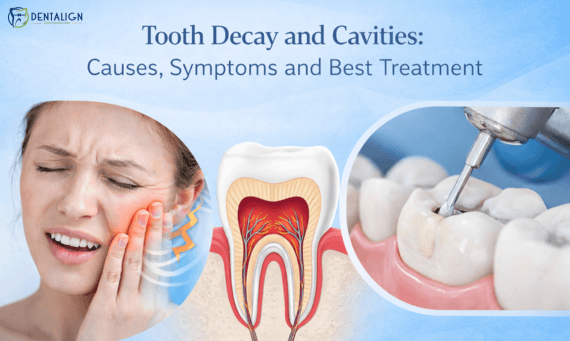
Maintaining strong, healthy teeth is essential for oral health. However, dental issues such as tooth decay and cavities can develop instantly and grow over time if not treated properly. These problems affect people of all ages and, if ignored, can lead to discomfort, infection, and long-lasting oral health issues.
Understanding how decay starts, recognising some of the early warning signs, and needing treatment promptly can help to protect your smile. With advanced dental solutions and preventive care, managing oral health has become easier and more effective than ever. This guide explains the common causes, symptoms, and treatment options to maintain healthy teeth for years to come.
Key Aspects of Tooth Decay and Cavities
Dental decay occurs when harmful bacteria interact with food particles left on the teeth. After some time, this process grows the enamel and creates small holes or damaged areas. If not treated, the condition can progress deeper into the teeth and affect the surrounding tissues also. If your teeth are affected by decay, you should consult a teeth removal dentist for proper evaluation and treatment.
Early awareness and consistent oral care play an important role in preventing further issues and maintaining long-term dental health.
Causes of Teeth Decay and Cavity
Plaque Build-up
Plaque is a thin, sticky layer that forms on the teeth when bacteria mix with food particles. If not removed via regular brushing and flossing, plaque can produce acids that gradually decrease the layer of the crown. This often leads to cavities and structural damage near the tooth itself.
Poor Hygiene
Inconsistent brushing and flossing allow bacteria to multiply and remain on the tooth area. Over time, this can result in enamel erosion and decay. Maintaining a regular oral hygiene routine is required for preventing long-term dental problems.
Dry Mouth
Saliva plays an important role in protecting dental health by washing away food particles and neutralising harmful acids. When saliva production decreases via dehydration, medication, or certain health conditions, the risk of decay increases significantly.
Dietary Habits
Frequently consuming sugary or acidic foods and soft drinks can accelerate tooth damage. Sticky snacks and cold drinks tend to linger on their surfaces, providing an environment where bacteria can grow. Limiting such foods and maintaining balanced nutrition helps reduce the risk of other issues.
Symptoms
Identifying early signs of dental damage allows for early treatment and prevents dental issues. While some patients may not notice symptoms from the start, certain warning signs should never be ignored before they become serious.
Sensitivity
Increased sensitivity to hot, cold, or sweet foods is often one of the first issues of tooth loss. This occurs when the protective outer layer is weak and exposes underlying structures.
Visible Damage
Dark spots, small holes, or rough areas inside the mouth can signal developing decay. These changes may appear minor at first, but can grow tamily if not treated early.
Pain or Discomfort
Persistent toothache or discomfort while chewing can indicate more serious structural damage. Pain may be mild initially, but can intensify as the condition progresses.
Advanced Infection
When decay reaches the inner pulp, infection and swelling may occur. At this stage, professional intervention becomes required to prevent further issues and preserve oral health.
Best Treatment Options
Advanced dentistry offers several effective treatments depending on the severity of damage. Scheduling an experienced dentist at the best dental clinic in Ahmedabad ensures accurate diagnosis and safe personalised care.
Fluoride Treatment
In the early stages, fluoride applications can help strengthen enamel and reverse minor damage. This preventive approach is particularly effective when tooth decay is detected early.
Dental Fillings
When cavities have formed, cosmetic teeth filling surgery is commonly recommended by a dentist. These restorations repair the damaged area and restore the tooth’s function and appearance. Tooth-coloured materials blend naturally with the surrounding area, offering both durability and aesthetics.
Crowns
For more extensive damage, a dental crown may be required to protect and restore the structure. Choosing the best dental crown helps reinforce weakened teeth and improve long-term stability while maintaining a natural look.
Dental Extraction
In cases where damage is too severe to restore, removal may be the safest option. Consulting an expert teeth removal dentist ensures the procedure is carried out comfortably and followed by appropriate replacement options when needed.
Root Canal Therapy
If infection reaches the inner pulp, root canal treatment is necessary to remove infected tissue and protect the remaining dental. This procedure helps relieve pain and prevents further spread of infection.
Prevention of Dental Cavities
Preventive care remains the most effective way to protect your smile and avoid complex treatments. Simple regular habits can significantly reduce the risk of decay and maintain overall the best oral health.
Maintain a Consistent Oral Care Routine
Brush twice daily with dentist suggesated toothpaste to remove plaque and protect enamel. Regular flossing twice helps clean the areas between teeth that brushing alone cannot reach.
Be Mindful of Your Diet
Reducing the consumption of sugary and acidic foods helps prevent dental loss. Choosing balanced meals and drinking water after eating can support natural cleansing within the mouth.
Schedule Regular Dental Check-ups
Routine visits every three to twelve months allow early detection of primary dental issues. Professional cleaning and examinations ensure that small issues are addressed before they become very dangerous.
Conclusion
Dental health plays an important role in overall well-being and confidence. When decay develops, early identification and timely treatment can prevent discomfort and long-term oral complications. By understanding the causes, recognising symptoms, and exploring modern treatment options, you can make informed decisions and improve your oral health greatly.
Practising good hygiene, maintaining a balanced diet, and consulting an experienced dentist ensure that your teeth remain strong and healthy. With the right preventive measures and expert guidance, it is very easy to protect your smile and enjoy lasting oral health without worry for many years.
