
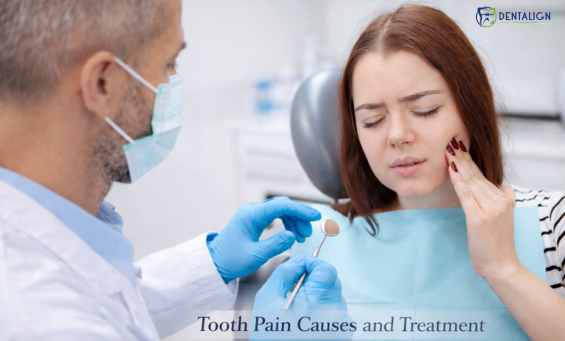
A tooth may start with a sudden pain and develop into a serious dental problem. Even something as simple as eating your favorite foods or drinking a glass of your favorite beverage may suddenly become uncomfortable. The first thing that comes to mind for most patients is to simply ignore the pain and hope that it goes away on its own. Tooth pain, however, is often an indication that something needs to be addressed.
If your teeth or gums are hurting, your body is likely trying to tell you that something is not right in your mouth. Being aware of potential risks and knowing when to seek dental care can help you avoid more serious dental problems down the line. Not only can seeking care earlier in the game alleviate oral discomfort sooner, but it can also help to ensure that your oral health is protected for the long term.
A healthy smile is more than just a pretty face. It is an important part of your daily life and comfort level. While dental discomfort starts, even the slightest discomfort can impact your mood, eating, and even your sleep patterns. Being aware of early warning signs and seeking the right dental care in Ahmedabad at the right time can help to prevent small oral problems from becoming big ones.
Reason for Tooth Pain
Tooth pain may start for different reasons, and in some cases, the reason for the dental discomfort may not be immediately apparent. One of the most common reason of decay. When bacteria accumulate on the surface of the teeth, they produce acids that work to break down the enamel on the surface of the teeth. Over time, this damage can progress deeper into the teeth, causing sensitivity or dental discomfort.
Gum-related problems are another common source. Inflamed or infected gums can cause teeth to feel sore and sensitive, especially when eating. In some instances, gum problems can cause the inner surface of the area to be exposed, making it more sensitive to hot and cold foods.
Sensitivity is also a common source. This can occur when the enamel wears away due to brushing too hard, grinding, or eating too many acidic foods and beverages. Cracks or chips can also be a reason for sudden oral discomfort while eating. Wisdom teeth can put pressure on the area as they are growing, sometimes causing constant discomfort in the region.
Not attending regular dental check-ups allows all these problems to occur undetected. Regular dental check-ups and experienced teeth cleaning in Ahmedabad help detect problems early and keep your teeth in good shape. Early detection usually means easier and less painful treatment.
Warning Signs of Tooth Pain

Tooth pain does not usually occur without some warning signs. It usually starts as a mild sensitivity or discomfort and progresses to become more apparent. You may feel a sharp dental discomfort while drinking something hot or cold, or a dull ache when eating.
Some people also experience swelling around the dental area or bleeding while brushing. These symptoms may seem trivial at first, but they should not be overlooked. Soreness can be a sign of underlying problems like infection or nerve damage. Noticing these signs and taking immediate action can make treatment easier. Tackling problems early on helps avoid more complex and invasive treatments and prevents the dental discomfort from intensifying.
Good Treatment Options
The best treatment for oral discomfort will depend on the reason for the dental discomfort. A dental expert will assess your teeth and recommend the best course of action to alleviate the dental discomfort and restore dental health. If you experience a continuous or severe toothache, it is important to seek a professional, painless teeth removal expert. In cases where a tooth cannot be saved, advanced and comfortable tooth extraction procedures can help to fix the issue effectively and safely.
If the tooth decay is detected in the early stages, a filling can easily be used to treat the problem and prevent it from spreading. This will help to strengthen the teeth and restore their functionality. However, if the decay has progressed to the root of it, a root canal procedure may be necessary.
In some cases, the teeth may be beyond saving. In such cases, extraction may be the best option. Modern dentistry has made it possible to have teeth extraction procedures. Once it is extracted, your dentist may recommend an alternative to restore proper alignment and functionality.
Professional dental cleaning is also a required part of treatment and prevention. Regular teeth cleaning in Ahmedabad helps to remove plaque and tartar that can cause sensitivity and gum irritation. Healthy teeth and gums will help to prevent the problem of recurring dental discomfort and keep your smile healthy and fresh.
For people suffering from gum irritation, professional dental treatments can help to alleviate the problem and improve gum health. Dentists can also provide suggestions to help with sensitivity, making eating and drinking a less sensitive experience.
Preventing Tooth Pain Before It Starts
Prevention is always better than treatment. There are simple ways to protect your teeth from problems. Brushing your teeth twice daily using fluoride Colgate can help to remove plaque and strengthen your teeth. Flossing daily will ensure that food particles and bacteria do not accumulate between your teeth.
Your diet is also considered a factor in oral health. Cutting down on sugary foods and acidic beverages helps maintain healthy enamel by preventing erosion. Staying hydrated with plenty of water helps keep your mouth moist and promotes self-cleaning.
Visiting a dentist regularly is also a must for long-term protection. Regular dental check-ups in Ahmedabad enable experts to identify potential problems early on and treat them before they become serious. Regular dental care saves time and money while keeping your smile always healthy. If you feel pain in your dental area, you need to contact the best dentist in Ahmedabad for all oral health.
When to Seek Professional Help
While occasional sensitivity may not be a reason for concern, a persistent or severe toothache should never be taken lightly. Delaying treatment can lead to potentially serious problems becoming more complicated. If you experience swelling, dental discomfort, or difficulty chewing, it is always advisable to consult a professional as soon as possible.
Early intervention prevents infections from spreading and gives you a better chance of preserving your natural teeth. Advances in dental technology have made it possible to have a safe experience when it comes to addressing dental problems.
Conclusion
Tooth pain can have a significant impact on your lifestyle, but with proper care, you can overcome it. By understanding the reasons and addressing them in time, you can prevent serious complications and maintain a healthy smile.
If you have been experiencing discomfort or just want professional advice, the staff at Dentalign is here to help you with your needs and ensure that your oral health is restored. Contact us today to start your journey to a pain-free smile.
FAQs
What are the most common causes of tooth pain?
Tooth pain is often caused by cavities, tooth decay, gum disease, cracked teeth, worn fillings, infections, or wisdom tooth problems. Sometimes pain may also be linked to teeth grinding or jaw issues. Identifying the underlying cause is important for effective treatment.
Why does my tooth hurt when I eat something hot or cold?
Sensitivity to hot or cold foods often occurs when the protective enamel becomes worn or when the tooth root is exposed. Cavities, gum recession, and cracked teeth can also cause temperature sensitivity. A dental examination can determine the exact cause.
Why does my tooth hurt when I bite down?
Pain when biting may be caused by a cracked tooth, tooth decay, an infection, or a damaged filling. The pressure of chewing can aggravate sensitive areas inside the tooth. A dentist can identify the source of the problem and recommend treatment.
Can a cracked tooth cause ongoing pain?
Yes, even a small crack can expose sensitive parts of the tooth and cause discomfort when chewing or drinking hot and cold beverages. Cracks may worsen over time if left untreated. Early diagnosis can help preserve the tooth.
What treatments are available for tooth pain?
Treatment depends on the cause of the pain. Common options include fillings, root canal treatment, crowns, gum therapy, antibiotics for infections, or tooth extraction when necessary. The right treatment is determined after a thorough dental examination.
Why does tooth pain seem worse at night?
Tooth pain can feel more intense at night because lying down increases blood flow to the head, which may place extra pressure on sensitive areas. Fewer distractions can also make discomfort more noticeable. Persistent pain should be assessed by a dentist.
