
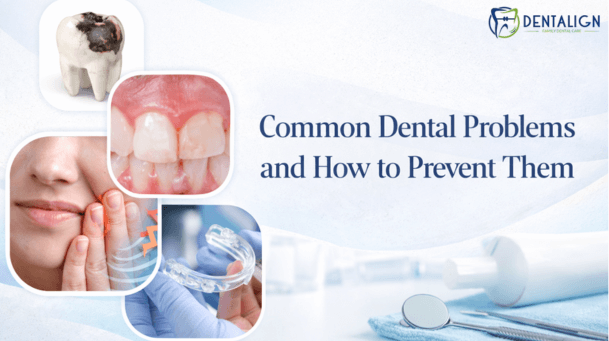
Dental health plays an important role in overall well-being, yet many people ignore early important signs until oral issues become serious or expensive to treat. Small oral problems, like mild sensitivity or occasional gum bleeding, can develop into serious conditions if not treated properly. Understanding common dental issues and knowing how to prevent them can help protect your smile and reduce the need for complicated surgery.
This guide explains frequent oral health issues and ways to maintain healthy teeth and gums through routine habits and professional care.
Understanding Everyday Dental Health Challenges
Dental problems often develop slowly and silently. Poor oral hygiene, unhealthy eating habits, stress, and lack of regular checkups can all contribute to serious damage. Most dental issues are preventable with proper care and early treatment.
An expert gum specialist can easily identify early signs of disease and provide timely treatment, helping to protect your teeth, gums, and overall oral health. Knowing what to watch for allows you to take action before minor concerns become big problems.
Tooth Decay and Cavities
Tooth decay occurs when bacteria in the mouth produce acids that weaken tooth enamel. Over time, this leads to serious cavities, which can cause pain and sensitivity if not treated.
Sugary foods, frequent snacking, and ignoring brushing increase the risk of decay. Brushing twice daily with healthy toothpaste and flossing once a day helps remove plaque and protect enamel. Limiting soft drinks and rinsing your mouth properly with water after meals also reduces acid buildup.
Regular dental checkups at the clinic allow early detection of small cavities before they require more advanced surgery.
Gum Disease
Gum disease begins with inflammation caused by plaque buildup along the gum line. Early symptoms include redness, swelling, and bleeding during brushing. If not treated properly, it can progress to advanced stages that affect bone support and tooth stability.
Professional cleanings remove hardened plaque that regular brushing cannot eliminate. Visiting an experienced gum specialist can help manage gum infections and prevent further damage. Maintaining good oral hygiene and avoiding tobacco products also reduces the risk of periodontal problems.
Protective solutions, like a custom mouth guard, can help prevent tooth damage caused by grinding or sports-related injuries. These devices are designed to fit comfortably and reduce pressure on the teeth and jaw joints.
Tooth Sensitivity
Sensitivity often occurs when enamel becomes thin or when gums recede and expose tooth roots. Soft drinks, cold beverages, and sweet foods may trigger discomfort that affects your oral health badly.
Using a toothpaste for sensitive teeth helps reduce irritation. Avoid hard brushing and choose a soft toothbrush. If sensitivity continues, an expert dentist can identify the underlying cause and recommend the required treatment.
Bad Breath
Persistent bad breath is often linked to bacterial buildup, gum infection, or food particles trapped between the teeth. It can also be associated with dry mouth or untreated cavities.
Brushing your tongue, flossing regularly, and staying hydrated help to control odour-causing bacteria. If bad breath continues despite good oral hygiene, a dental evaluation is recommended to rule out unreached problems.
Enamel Erosion
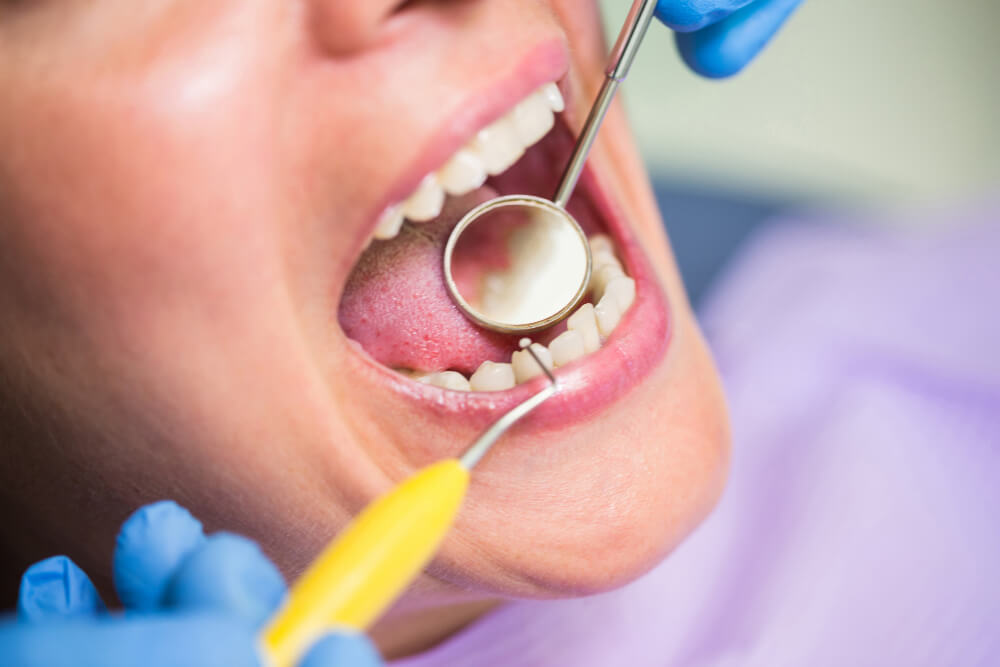
Enamel erosion happens when acids from foods, drinks, or stomach reflux gradually wear away the protective outer layer of teeth. This can increase sensitivity and raise the risk of decay.
Reducing acidic meals, using a straw when drinking juices, and waiting at least 30 minutes before brushing after acidic meals can protect enamel. Fluoride treatments may also strengthen weakened tooth surfaces.
Oral Cancer
Oral cancer is a serious problem that may not show obvious symptoms in its early stages. Symptoms can include persistent mouth sores, lumps, difficulty swallowing, or unexplained bleeding around the teeth.
Regular dental checkups often include oral cancer screening, which helps detect serious problems early. Avoiding tobacco products, limiting alcohol consumption, and maintaining good oral hygiene reduce overall health risk.
How Preventive Care Supports Long-Term Oral Health
Preventive dental care focuses on maintaining healthy teeth rather than treating problems after they appear. Regular checkups, professional cleanings, and early treatment help reduce complications and improve overall comfort.
Cosmetic and restorative treatments also contribute to long-term oral health. Procedures such as veneer treatment for teeth improve appearance while strengthening damaged surfaces. In cases of weakened or broken teeth, choosing the best dental crown option restores function and protects remaining tooth structure.
Practical Daily Habits That Protect Your Smile
Maintaining oral health does not require more complicated routines. Small daily habits make a big difference when practiced consistently.
Brushing twice daily with fluoride toothpaste removes plaque and strengthens enamel. Flossing cleans areas between teeth that toothbrushes cannot reach. Drinking plenty of water helps wash away food debris and supports saliva production, which naturally protects teeth.
Avoiding excessive sugar intake and choosing balanced meals rich in vitamins and minerals also contributes to stronger teeth and healthier gums.
Specific Tips for Sensitive Teeth

Managing sensitivity starts with gentle oral care. Use toothpaste formulated for sensitive teeth and avoid brushing too hard. Rinse with lukewarm water instead of extremely hot or cold temperatures. Wearing a protective mouth guard at night can help if grinding contributes to enamel wear.
Specific Tips for Dry Mouth
Dry mouth reduces saliva flow, which increases the risk of cavities and infections. Staying hydrated throughout the day helps maintain moisture levels. Chewing sugar-free gum stimulates saliva production. Avoiding caffeine and alcohol can also reduce dryness. If symptoms persist, professional evaluation is recommended.
Specific Tips for Kids’ Dental Health
Children’s dental care begins with early habits. Teaching proper brushing techniques and supervising young children during brushing ensures better plaque control. Limiting sugary snacks and encouraging water instead of soft drinks protects developing teeth.
Regular dental visits help monitor tooth development and detect early issues. Preventive treatments such as fluoride applications and sealants offer additional protection.
Also Read: Top Tips to Choose the Right Dentist Around You in Ahmedabad
When to Require Professional Help
Certain symptoms should not be ignored. Persistent pain, bleeding gums, loose teeth, recurring sensitivity, or jaw discomfort require professional attention. Early diagnosis prevents complicated issues and allows simpler treatment options. Routine dental visits also provide opportunities for expert advice tailored to individual needs.
Conclusion
Dental problems often develop gradually, but their impact can be significant if ignored. Understanding common oral health problems and taking preventive steps helps maintain strong teeth and healthy gums throughout life.
Good daily habits, regular checkups, and early treatment form the foundation of long-term dental health. By staying proactive and informed, you can protect your smile and avoid unnecessary discomfort.
A healthy mouth is not just about appearance; it is an important part of overall wellness and confidence.
FAQ
How often should I visit a dentist to prevent dental problems?
Most expert dental professionals recommend visiting an expert around every six months for routine checkups and professional cleaning. Regular visits help detect issues early, such as signs of cavities, gum disease, and enamel damage, before they become more serious.
Can gum disease be reversed in the early stage?
Yes, early-stage gum disease can often be reversed with accurate oral hygiene, professional cleaning, and timely gum treatment. Maintaining regular brushing and flossing habits also helps prevent progression to advanced stages.
What causes tooth sensitivity, and how can it be treated?
Tooth sensitivity is commonly caused by enamel erosion, gum recession, or worn fillings. Using desensitizing toothpaste, avoiding acidic foods, and seeking a specialist can help reduce discomfort and protect tooth surfaces.
Are dental crowns and veneers permanent solutions?
Dental crowns and veneers are long-lasting treatments when maintained regularly and properly. Choosing the best dental crown option and following good oral hygiene habits can extend their lifespan and preserve tooth function and appearance.
When should children start visiting a dentist?
Children should ideally visit a dentist by their first birthday or when their first tooth appears. Early dental visits help monitor development, prevent cavities, and build positive oral care habits.
Do mouth guards really protect teeth?
Of course, using a custom mouth guard provides effective protection against teeth grinding, sports injuries, and jaw strain. Properly fitted guards reduce pressure on teeth and prevent long-term damage.
